Holiday Pop-Up Shop Lease Guide 2025: Agreements, Legal Terms & Compliance
By Jared Hottle | Published: 2025-11-09T16:19:32.278Z

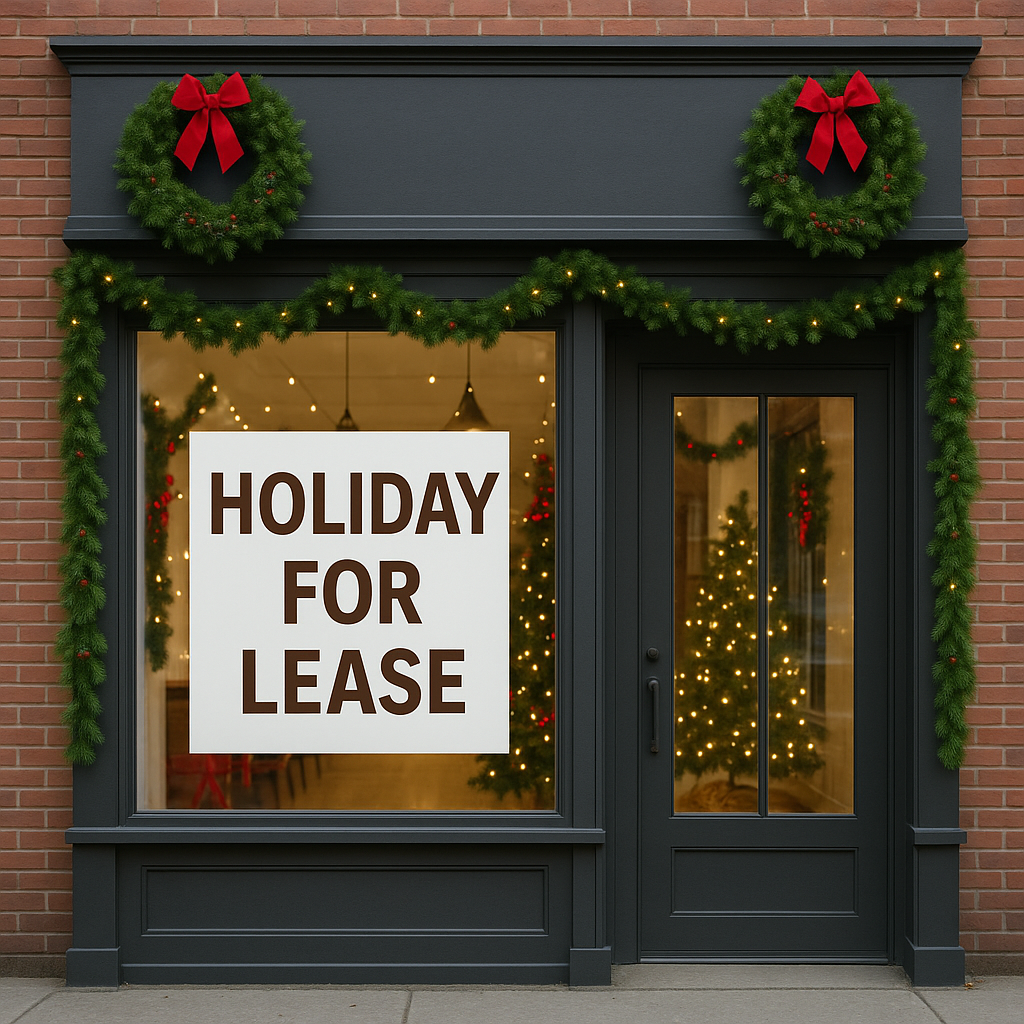 Shopfront with holiday decorations, wreaths, and garlands. A "Holiday for Lease" sign in the window, with Christmas trees visible inside.
Pop-Up Holiday Shop Lease Guide Essentials
The holiday season presents a golden opportunity for both landlords and tenants to capitalize on the surge in retail activity through pop-up arrangements. Whether you're a property owner looking to fill vacant space or a retailer seeking to maximize holiday sales, understanding the nuances of holiday pop-up shop leases is crucial for success. This comprehensive guide examines the key considerations that both parties must navigate to ensure a mutually beneficial arrangement.
Understanding the Holiday Pop-Up Landscape
The holiday season creates unique opportunities and challenges for pop-up retail operations. During this peak shopping period, temporary retail arrangements can generate significant revenue while keeping overhead costs manageable. For landlords, pop-up tenants can transform vacant properties into profitable ventures within days, often generating immediate cash flow that offsets property expenses during traditionally slower leasing periods Wealth Management.
The financial benefits are equally compelling for retailers. Pop-up arrangements can reduce occupancy costs by up to 50% compared to traditional commercial leases while still providing market-rate income for property owners The Balance. This cost efficiency, combined with the ability to gauge public reaction to products and test market profitability in various locations, makes holiday pop-ups an attractive strategy for businesses of all sizes.
Legal Structure: License vs. Lease Agreement
One of the most critical decisions in holiday pop-up arrangements involves choosing the appropriate legal structure. Most pop-up agreements are structured as licenses rather than traditional leases, offering distinct advantages and limitations that both parties must understand thoroughly.
A license provides the right to temporarily use space for a specific period at a set fee, without conveying an interest in real property to the occupant. This fundamental distinction means that licensees do not enjoy the same legal protections as traditional tenants under landlord-tenant laws. Courts often scrutinize these agreements carefully, looking beyond the title to examine the actual language and substance of the document to determine its true nature Perkins Coie.
The choice between a license and lease structure carries significant implications for both parties. Licenses offer greater flexibility and typically involve faster negotiation processes, making them ideal for holiday pop-ups where time is of the essence. However, this flexibility comes with reduced legal protections for the occupant and limited remedies for the property owner in case of default.
Essential Contractual Terms and Negotiations
 Holiday pop up shop inside a retail space
When negotiating holiday pop-up leases, several key terms require careful attention from both landlords and tenants. The compressed timeline of holiday operations means that standard commercial lease provisions must be adapted to accommodate shorter terms and more immediate needs.
Use Clause Considerations
The breadth of the use clause becomes particularly important in holiday pop-up arrangements. Tenants typically prefer broad use clauses that allow flexibility to adapt to changing consumer demands and product offerings throughout the holiday season. Conversely, landlords often seek to restrict use, especially when they have exclusive use agreements with existing tenants or concerns about competition with other retailers in the property Schorr Law.
The holiday context adds complexity to use clause negotiations, as seasonal nature of operations may require different permissions than year-round retail. Special consideration should be given to promotional activities, special events, and temporary modifications to the space that might be necessary for holiday marketing campaigns.
Rent Structure and Percentage Rent
Financial terms for pop-up leases often look quite different from those in traditional commercial agreements. Because these leases are short-term and require little to no buildout or tenant improvements, the process is usually much simpler to navigate. In some cases, rent may be structured as a percentage of sales, while others operate on a month-to-month basis or offer a discounted “teaser” rate. These flexible arrangements can serve as a low-risk launchpad for tenants considering a longer-term lease in the future.
Legal Requirements and Compliance Obligations
Holiday pop-up operations must navigate a complex web of legal requirements that vary significantly by jurisdiction. Understanding these obligations is essential for both parties to avoid costly delays or legal complications that could derail holiday operations.
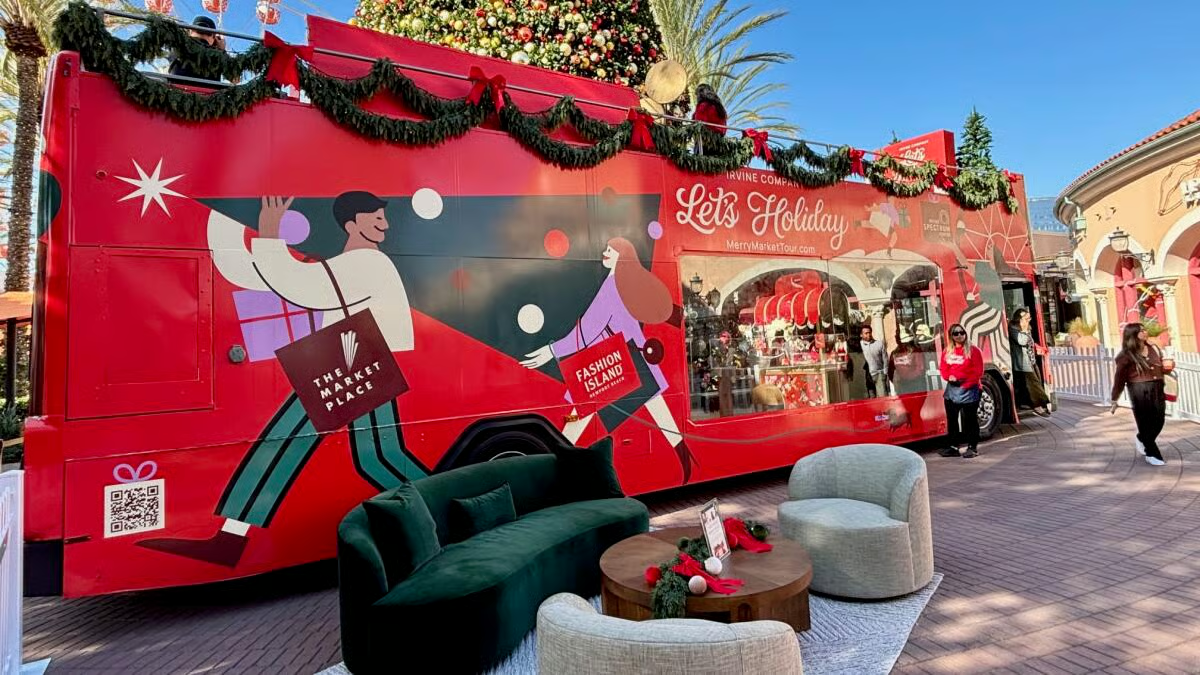 Holiday pop up shop trailer.
Business Licensing and Permits
Most jurisdictions require business licenses for pop-up operations, though specific requirements vary widely by location. The nature of products being sold may trigger additional licensing requirements, with holiday-specific items like food products, alcohol, or certain types of merchandise requiring special permits or certifications FindLaw.
Local jurisdictions may have special provisions for holiday operations, including expedited processing of certain permits or temporary use authorizations. Both parties should research local requirements well in advance of planned operations to ensure adequate time for compliance.
Zoning and Land Use Considerations
Zoning compliance becomes particularly important for holiday pop-ups, as the temporary nature of these operations doesn't exempt them from local land use regulations. Property owners must ensure that proposed pop-up activities conform to existing zoning designations and do not violate any exclusive use provisions in agreements with other tenants.
The holiday context may introduce additional zoning considerations, particularly for operations that extend beyond traditional retail hours or include special events, promotional activities, or temporary structures. Seasonal operations near residential areas may face additional restrictions on hours, noise levels, or types of activities permitted.
Insurance and Liability Management
Adequate insurance coverage represents a critical component of holiday pop-up lease arrangements, protecting both parties from potential liability exposure. The temporary nature of these operations and the high-traffic holiday environment create unique risk considerations that must be addressed proactively.
Both landlords and tenants should maintain appropriate levels of commercial general liability insurance, with coverage limits appropriate for the specific risks associated with their operations. Property insurance becomes particularly important for tenants who bring inventory, equipment, or displays into the space, while workers' compensation insurance is essential for employees working during holiday operations Xnomad.
The high-traffic nature of holiday retail operations may necessitate higher coverage limits than standard commercial activities. Special consideration should be given to product liability coverage for retailers, particularly those selling items that may be used as gifts or by children during the holiday season.
Operational Considerations for Holiday Success
The compressed timeline and seasonal nature of holiday pop-up operations create operational challenges that require careful planning and coordination between landlords and tenants. Success depends on addressing these practical considerations well in advance of operations.
Timing and Setup Logistics
Holiday pop-up operations face intense time pressure, as many businesses must open by specific dates to capitalize on peak shopping periods. This urgency makes advance planning essential, including coordination of delivery schedules, installation timelines, and any necessary inspections or approvals.
The holiday context may complicate standard setup procedures, as service providers, vendors, and regulatory authorities often face increased demands during this period. Both parties should build additional time into their planning to accommodate potential delays and ensure operations can begin as scheduled.
Staffing and Labor Compliance
Seasonal hiring for holiday pop-up operations must comply with all applicable labor laws, including wage and hour requirements, workers' compensation obligations, and payroll tax responsibilities. The temporary nature of these operations does not exempt employers from standard employment law obligations Perkins Coie.
Proper classification of workers as employees or independent contractors becomes particularly important in pop-up operations, where the temporary nature might suggest flexibility that doesn't align with legal requirements. Employers should carefully review the specific duties and relationship characteristics to ensure proper classification and avoid potential penalties.
Negotiation Strategies and Best Practices
The unique characteristics of holiday pop-up arrangements require adapted negotiation strategies that account for the compressed timeline, seasonal considerations, and mutual interests of both parties.
Speed and Efficiency in Deal-Making
The time-sensitive nature of holiday pop-up operations means that negotiations must proceed efficiently to allow for adequate setup and operational preparation. Both parties should be prepared to make reasonable compromises and avoid lengthy back-and-forth over non-essential terms.
Pre-drafted agreement templates can significantly expedite the negotiation process, allowing parties to focus on key business terms rather than spending time on standard legal provisions. However, templates should be reviewed carefully to ensure they adequately address the specific circumstances and goals of the particular arrangement.
Documentation and Record-Keeping
Maintaining comprehensive documentation of all aspects of the pop-up arrangement becomes crucial for both parties, particularly given the temporary nature of these operations and potential for misunderstandings. Detailed records of space condition, agreed-upon terms, and operational requirements help prevent disputes and facilitate smooth operations.
Regular communication between parties throughout the term of the agreement helps address any issues promptly and maintain positive relationships that may lead to future opportunities. The holiday context, with its inherent stress and pressure, makes clear communication and documentation particularly valuable.
Conclusion
Holiday pop-up leases represent a valuable opportunity for both landlords and tenants to capitalize on seasonal retail activity, but success requires careful attention to the unique legal, financial, and operational considerations these arrangements present. By understanding the distinct characteristics of holiday pop-up operations, preparing appropriately for the compressed timelines and seasonal pressures, and maintaining clear communication throughout the process, both parties can maximize the benefits of these temporary retail relationships.
The key to successful holiday pop-up arrangements lies in balancing the need for speed and efficiency with careful attention to the essential legal and business protections that safeguard both parties' interests. With proper planning, documentation, and professional guidance when needed, holiday pop-up leases can provide significant value to both property owners and retailers during this critical retail season.